
24/7 SUPPORT AVAILABLE


For large organizations — especially those with multiple departments or locations — manual attendance tracking isn't just outdated, it's a hidden operational cost. Paper registers and disconnected spreadsheets create three recurring problems: delayed reporting, disputed records, and no real visibility into workforce patterns until it's too late to act on them.
A digital attendance system changes that by giving management live, accurate visibility instead of end-of-month reconstruction. What looks like a small operational upgrade on paper usually turns out to be one of the highest-impact changes an organization can make to how it manages its workforce.
"Disconnected spreadsheets don't just slow reporting down — they quietly erase the visibility management needs to act before problems compound."
The shift from manual to digital attendance typically delivers four concrete improvements. Real-time visibility means attendance status is available instantly, not compiled days later from scattered registers. Fewer disputes come from a timestamped digital record that removes the back-and-forth over who was present when. Departmental rollups let attendance data feed directly into HR and payroll processes instead of being manually re-entered at month-end. And mobile access lets supervisors and staff mark or verify attendance from the field, not just from a fixed terminal.
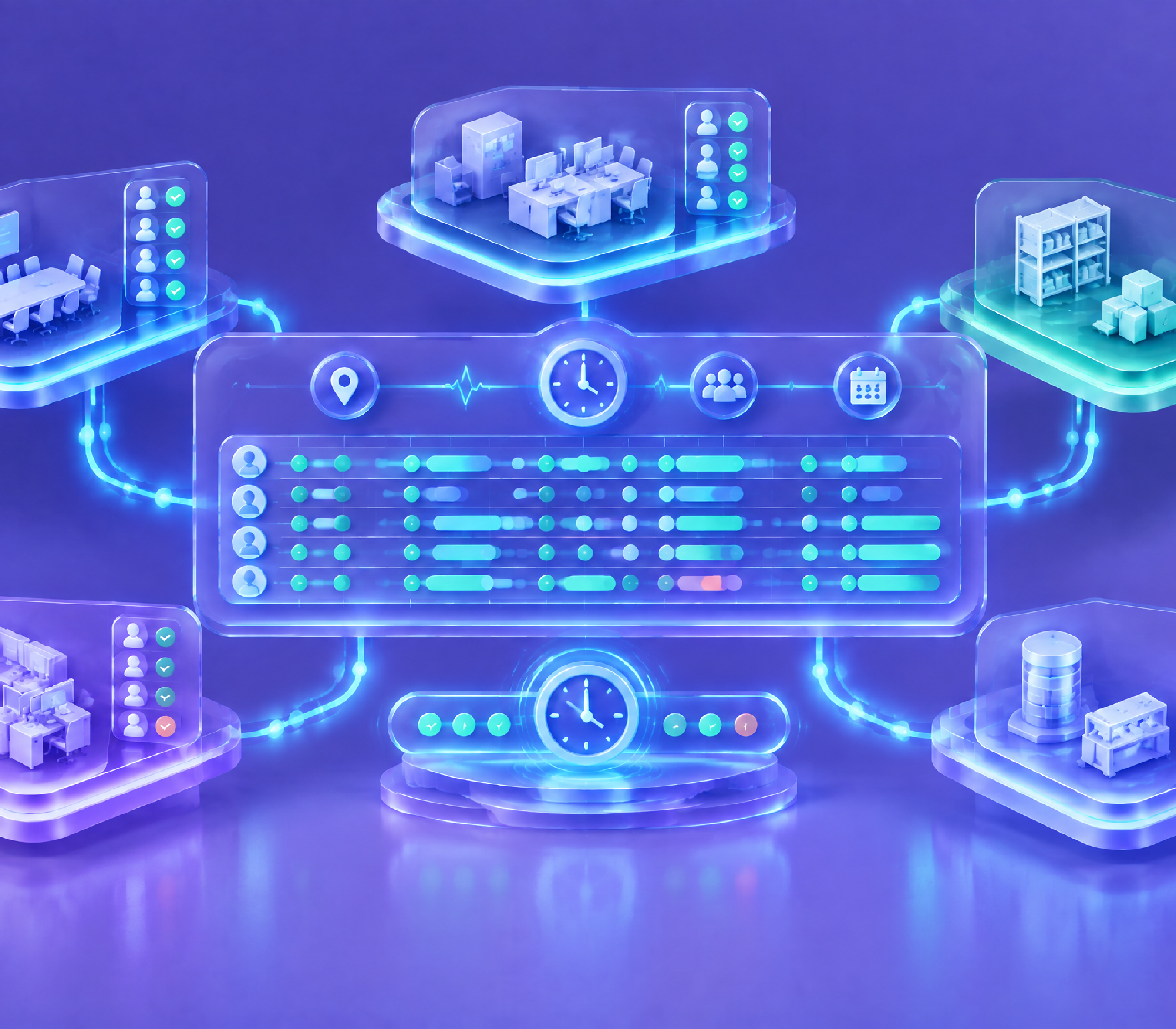
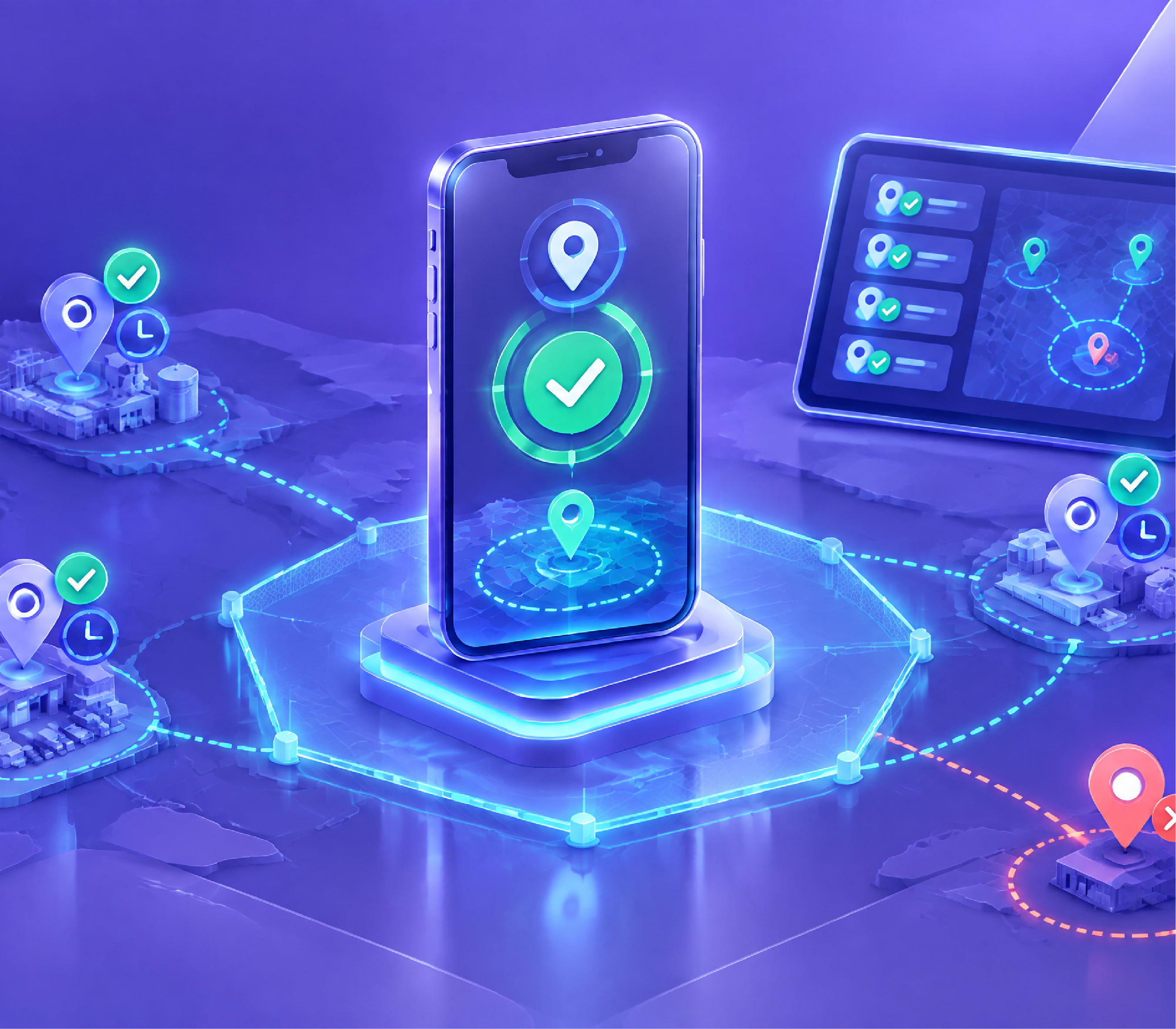
Moving off paper registers changes more than record-keeping — it changes how quickly management can see and act on workforce patterns. Here's what that typically covers:
We've built attendance and workforce-visibility systems for organizations managing this exact challenge at scale — moving them from fragmented manual records to a single digital source of truth. If your organization is still reconstructing attendance from paper or spreadsheets at month-end, it's worth a conversation. Kodenzah offers a free, no-obligation IT audit to show you where a digital system would help most.