
24/7 SUPPORT AVAILABLE
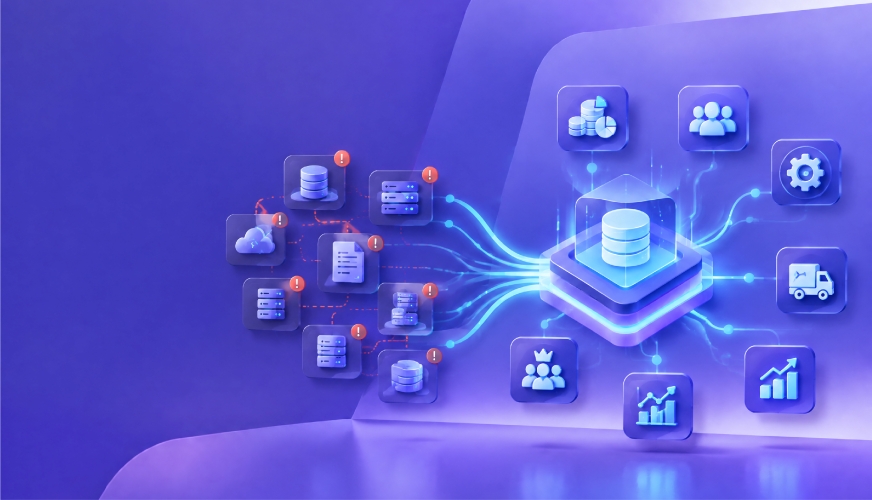

Most large institutions don't struggle because they lack systems — they struggle because they have too many that don't talk to each other. HR runs on one tool, Finance on another, Land records live in a separate register, and Legal tracks cases independently. The result: duplicated data entry, no single source of truth, and decisions made on outdated or incomplete information.
A unified MIS/ERP platform solves this by giving every department its own workflow while sharing one underlying data layer. Instead of five separate systems that each hold a partial picture, the organization works from one coherent, always-current record — and every department benefits from data that only has to be entered once.
"The real value isn't just digitization — it's that every department stops maintaining its own version of the truth."
In practice, a unified MIS/ERP changes how each department actually works. HR gets employee records, attendance, and service history in one place instead of scattered across spreadsheets. Finance gets budgets and expenditures tied directly to real department data, not figures re-typed from another system. Land management gets a searchable, auditable digital record instead of physical files that only one person knows how to locate. And Legal gets case tracking connected to the same organizational data everyone else is already working from — no more chasing another department for context.
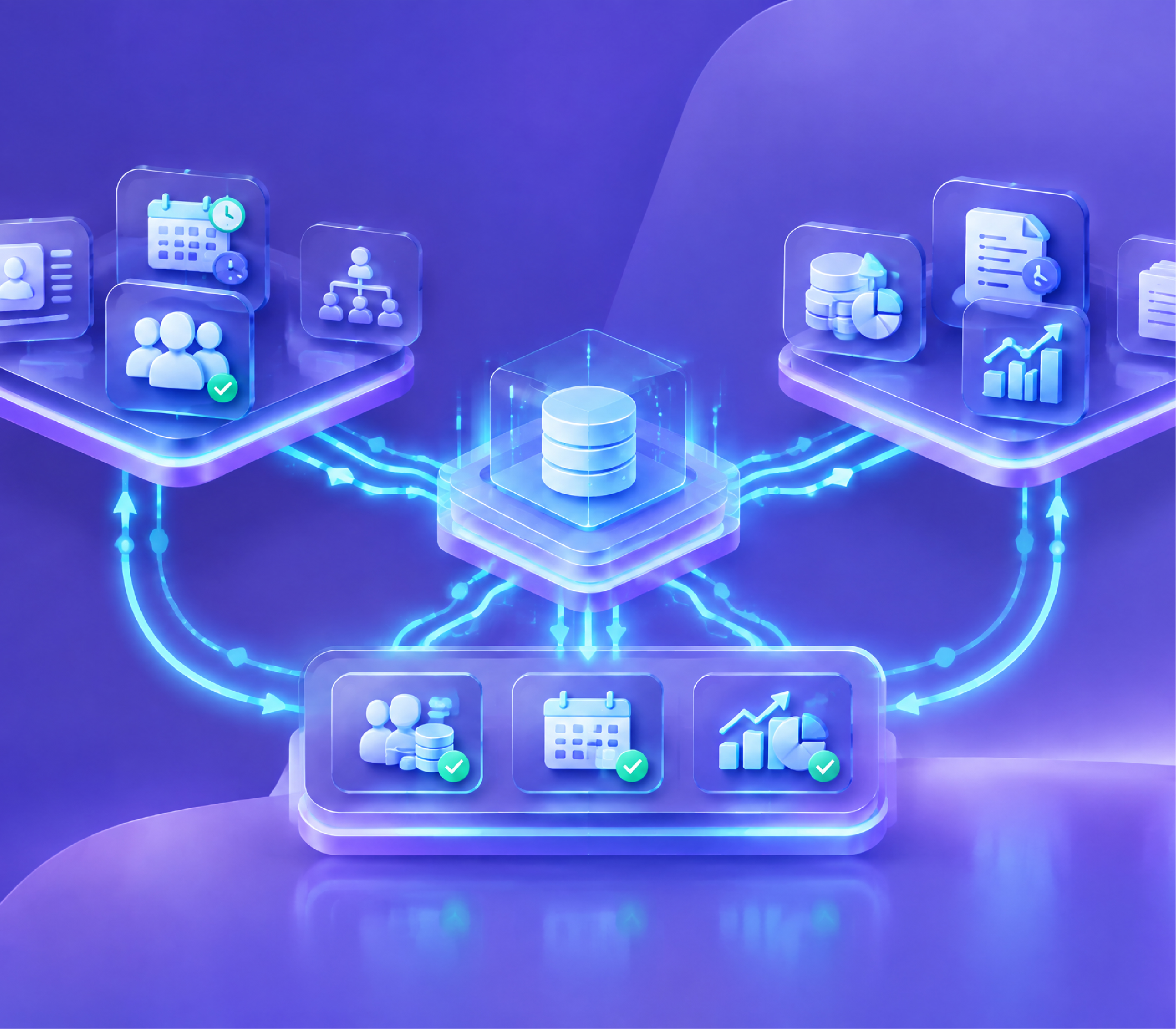

Bringing HR, Finance, Land, and Legal onto one platform isn't just about tidier records — it changes how quickly and confidently the organization can act. Here's what that typically looks like in practice:
We've designed and built systems exactly like this, unifying multiple departments — HR, Finance, Land, and Legal — under one coherent MIS platform. If your organization is running on disconnected systems and duplicated data entry, it's worth a conversation. Kodenzah offers a free, no-obligation IT audit to show you exactly where a unified platform would help most.